
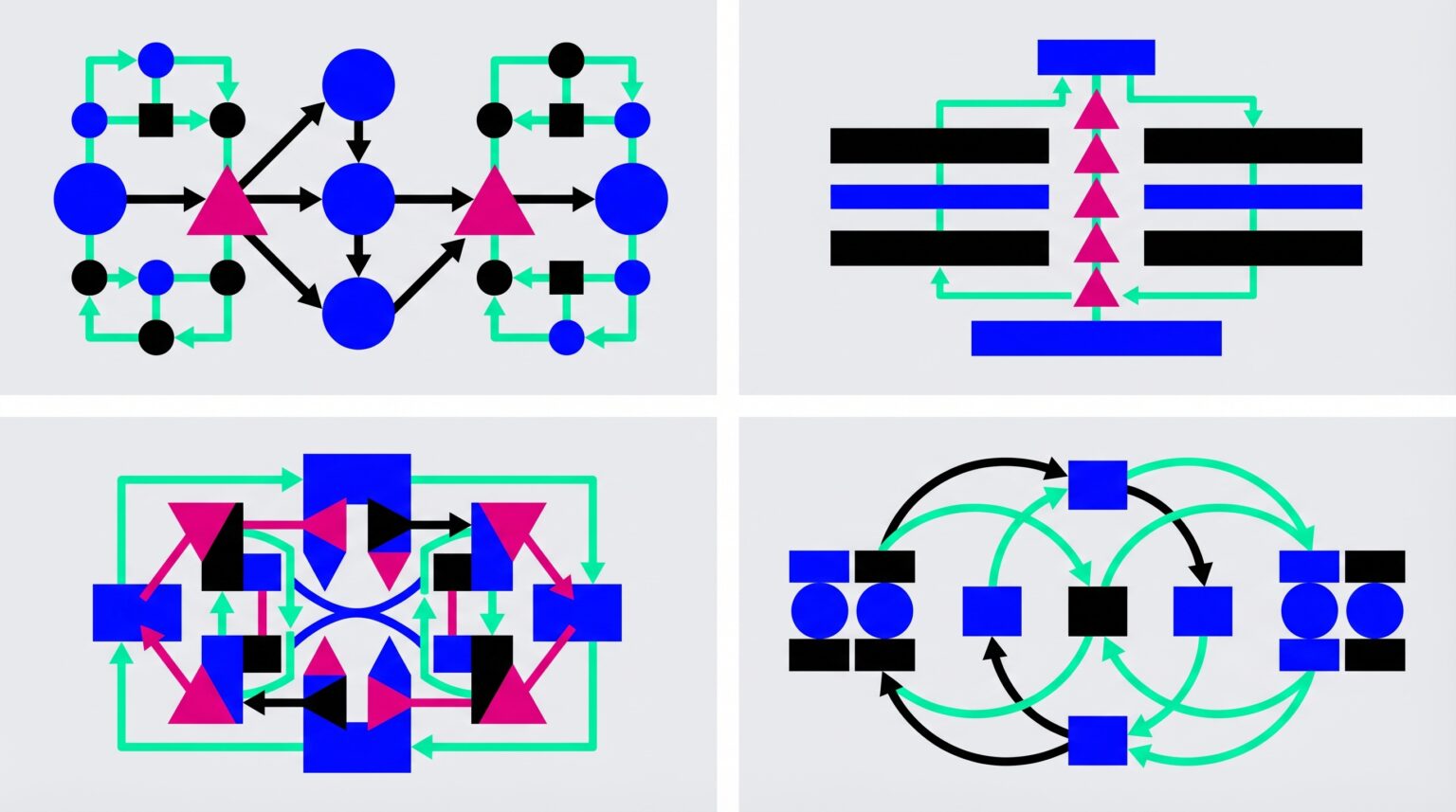
Brand Relationship Design (BRD) begins with a simple premise: a brand is not just a logo, a product, or a campaign. It’s a living system of interactions, perceptions, and experiences that evolves over time. This means the work of designing strong brand relationships is less about pushing isolated messages and more about orchestrating an interconnected web of touchpoints—digital and physical, human and automated—that function together as a coherent whole.
Systems thinking is the foundation of this approach. Rather than looking at customer interactions in isolation, BRD considers how each interaction connects to others, how feedback loops form, and how a brand can learn and adapt over time. In systems thinking, no single event stands alone; every part influences—and is influenced by—the rest. This perspective helps brand builders identify leverage points where small changes can have outsized effects on trust, loyalty, and advocacy.
Take customer service, for example. A traditional approach might focus on reducing average call times to improve efficiency. BRD, informed by systems thinking, would step back and ask: how does the quality of these interactions ripple through the customer’s perception of the brand? Does solving a problem quickly matter more, or does showing empathy and follow-through build deeper trust? By understanding the downstream impact of decisions, brands can move beyond transactional optimization toward relationship strengthening.
Systems thinking also recognizes that customers themselves are part of the system. They don’t simply receive brand messages—they interpret, respond, and create their own narratives. Social media posts, reviews, and conversations with friends all feed back into the system, shaping future expectations. BRD designs with this dynamic in mind, creating experiences that encourage positive participation rather than one-way broadcasting.
Another key principle from systems thinking is interdependence. In a healthy ecosystem, each component supports the others; when one part fails, the whole system feels it. In branding, this means the tone of an email campaign should match the in-store experience, and the promises made in advertising should align with the reality of product performance. Misalignment creates friction in the system, eroding trust over time. BRD treats these connections as non-negotiable—consistency isn’t just about aesthetics, it’s about maintaining systemic integrity.
Importantly, systems thinking embraces complexity. Brands today operate in fast-changing markets where technology, culture, and competition shift constantly. A rigid brand strategy can’t thrive here. BRD, grounded in systems thinking, builds adaptability into the system itself. That means designing processes for listening to customer feedback, testing new ideas, and evolving messaging in response to real-world shifts—without losing the brand’s core identity.
Creativity plays a vital role in making this work. While systems thinking provides the structure for understanding relationships, creative solutions bring them to life in ways that feel human, memorable, and emotionally resonant. The two are inseparable: without creative expression, systems risk becoming mechanical and forgettable; without systemic grounding, creativity risks becoming disconnected and inconsistent. BRD operates at the intersection, ensuring that bold ideas are supported by an underlying architecture that makes them sustainable.
Ultimately, Brand Relationship Design reframes branding from a series of isolated projects to an ongoing, adaptive system. Systems thinking ensures that every decision—whether it’s a product tweak, a social campaign, or a customer service policy—is made with awareness of its ripple effects across the entire relationship. This mindset doesn’t just create better campaigns; it creates brands that people feel a part of, not just passively consume.
When brands understand themselves as systems, they stop chasing short-term wins and start cultivating long-term relationships. That’s where loyalty is built, advocacy grows, and the brand becomes more than a market presence—it becomes a trusted, evolving partner in people’s lives.